Exploring the Intersection of Swiss and Japanese Culture and Traditions
Category : |
Sub Category : Posted on 2023-10-30 21:24:53
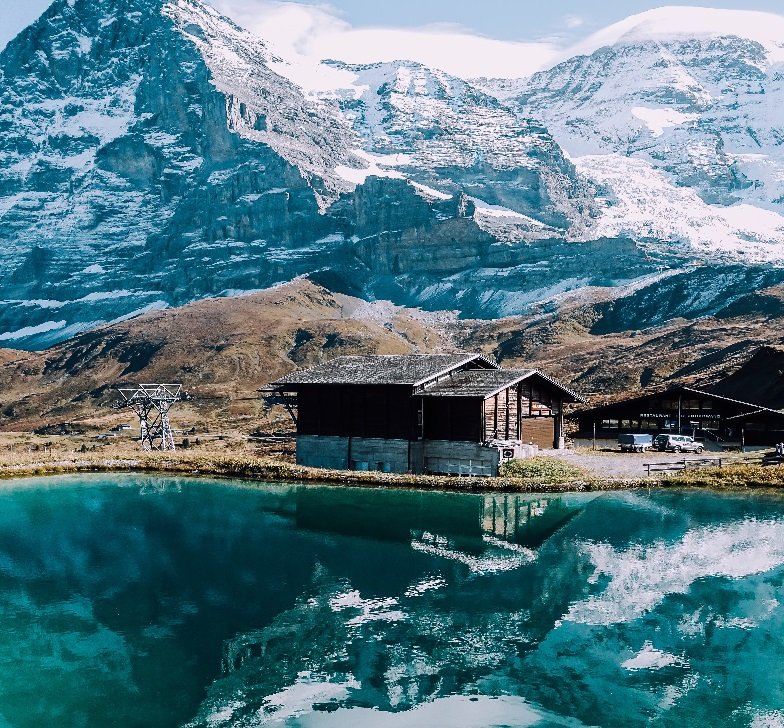
Introduction: Switzerland and Japan may seem like two countries with starkly different cultures and traditions. While Switzerland is known for its pristine landscapes, precision engineering, and chocolate, Japan is renowned for its rich history, unique art forms like origami and tea ceremonies, and mouthwatering sushi. However, beneath these apparent differences lies an intriguing intersection of Swiss and Japanese culture and traditions. In this blog post, we will delve into some fascinating aspects that highlight the unexpected connections between these two nations. 1. Timekeeping: Swiss Clocks and Japanese Precision Both Switzerland and Japan are renowned for their commitment to punctuality and precision. In Switzerland, Swiss-made timepieces are synonymous with quality and precision engineering. The country is home to world-famous watch manufacturers such as Rolex and Patek Philippe. Similarly, Japan is famous for its meticulous attention to detail, as showcased in their traditional art forms like bonsai and Ikebana. Japanese trains are known for their impeccable punctuality, symbolizing the nation's dedication to precision and efficiency. 2. Aesthetic Excellence: Swiss Design and Japanese Craftsmanship Switzerland and Japan also share a deep appreciation for aesthetic excellence in design and craftsmanship. Swiss design is characterized by minimalism, functionality, and elegance. Swiss modernist architects like Le Corbusier have left an indelible mark on the world of design. Similarly, Japan is renowned for its ancient art forms like pottery, calligraphy, and Ikebana. The concept of "wabi-sabi" emphasizes finding beauty in imperfection, a mindset that resonates with Swiss design principles. 3. Outdoor Recreation: Swiss Alps and Japanese Mountains The stunning landscapes of Switzerland and Japan offer ample opportunities for outdoor enthusiasts. While Switzerland is famous for its majestic Alps, Japan boasts a vast range of mountains, including Mount Fuji, Japan's highest peak. Both nations share a love for hiking, skiing, and mountaineering. Switzerland's well-developed infrastructure for outdoor activities and Japan's well-maintained mountain trails attract adventure seekers from around the world. 4. Gastronomic Delights: Swiss Chocolate and Japanese Cuisine Switzerland and Japan are culinary havens, each offering unique and globally acclaimed delights. Swiss chocolate is renowned for its richness, smoothness, and high-quality ingredients. It is a treat that locals and tourists alike savor. Similarly, Japanese cuisine, with its emphasis on fresh ingredients, delicate flavors, and meticulous presentation, has gained immense popularity worldwide. The popularity of sushi and ramen stands as a testament to the universal appeal of Japanese culinary artistry. 5. Artistic Influences: Japanese Woodblock Prints and Swiss Graphic Design Japanese woodblock prints, known as "ukiyo-e," have had a significant impact on the art world. Artists like Hokusai and Hiroshige captured the beauty and essence of everyday life with their intricate prints. This art form, characterized by bold lines and vibrant colors, has influenced Western artists, including Swiss painters and graphic designers. The clean lines and bold graphics often associated with Swiss design can be traced back to this Japanese influence. Conclusion: While Switzerland and Japan may seem worlds apart, a closer look reveals a captivating fusion of culture and tradition. From a shared appreciation for precision and craftsmanship to an inherent love for nature and outdoor activities, these two countries beautifully intertwine on unexpected levels. By exploring the intersection of Swiss and Japanese culture, we gain a deeper understanding of the boundless connections that exist in our globalized world. More about this subject in http://www.takishi.com


