Exploring Color Psychology in Switzerland: A Vibrant Country Reflecting Rich Emotions
Category : |
Sub Category : Posted on 2023-10-30 21:24:53
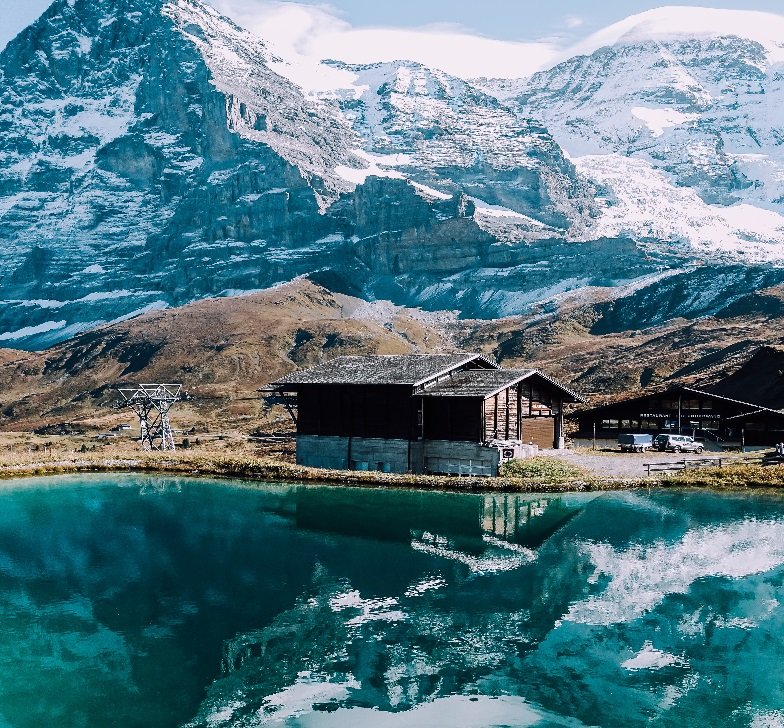
Introduction: Color has the incredible power to evoke various emotions and influence our perceptions. In Switzerland, a country known for its breathtaking landscapes, precision, and attention to detail, color plays a significant role in its culture and psychology. In this blog post, we will delve into the fascinating world of color psychology in Switzerland and how it impacts different aspects of the country's identity. 1. The Symbolic Colors of Switzerland: Switzerland is often associated with its flag, which features a deep red background with a bold white cross. These colors hold deep symbolism for the Swiss people. Red represents courage, strength, and resilience, while white symbolizes purity, peace, and neutrality. The combination of these colors reflects the values that Switzerland holds dear: independence, patriotism, and neutrality. 2. The Idyllic Landscapes and Nature's Palette: Switzerland's stunning landscapes, from towering mountains to crystal-clear lakes, are not only visually captivating but also deeply enriching to the human psyche. The country's natural beauty is often adorned with a myriad of colors, each with its own psychological impact. The vibrant greens of the lush forests promote feelings of tranquility and rejuvenation, while the snow-capped mountain peaks inspire awe and a sense of serenity. Switzerland's diverse color palette fosters a deep connection between its people and nature. 3. The Psychology of Swiss Architecture: The Swiss architectural landscape is characterized by precision, craftsmanship, and attention to detail. Swiss cities exhibit a blend of historic buildings and modern structures, each showcasing a deliberate choice of colors. Swiss architecture often incorporates earthy tones such as brown, beige, and gray to create harmonious spaces that blend seamlessly with the natural surroundings. These colors symbolize stability, reliability, and timelessness, contributing to a sense of balance in the urban environment. 4. Celebrating Tradition through Color: Switzerland is renowned for its rich cultural traditions, many of which are associated with particular colors. For example, the vibrant costumes worn during traditional Swiss festivals often feature bold shades of red, green, blue, and yellow. These colors are reflective of the joyful and celebratory nature of these events, fostering a sense of community and cultural pride. 5. Colors in Swiss Design and Fashion: Switzerland is also known for its exceptional design and fashion industries. Swiss designers incorporate a wide range of colors into their creations, often drawing inspiration from the country's diverse landscapes. From vibrant ski wear to sleek timepieces, Swiss design seamlessly combines functionality with aesthetics. Colors such as pristine white, cool blues, and warm earth tones create a visual language that resonates with the Swiss reputation for precision and quality. Conclusion: Color psychology is deeply ingrained in Switzerland's culture, art, architecture, and design. The country's symbolic colors, breathtaking landscapes, and cultural traditions all contribute to a vibrant tapestry of emotions and experiences. Whether experiencing the natural wonders of the Swiss Alps or admiring the precision in Swiss design, colors have a profound impact on the way we perceive and connect with Switzerland. The harmonious interplay of colors in this multifaceted country truly reflects the rich emotions and values that define the Swiss identity. To find answers, navigate to http://www.colorsshow.com


