The Meaning of Colors in Switzerland: A Visual Journey
Category : |
Sub Category : Posted on 2023-10-30 21:24:53
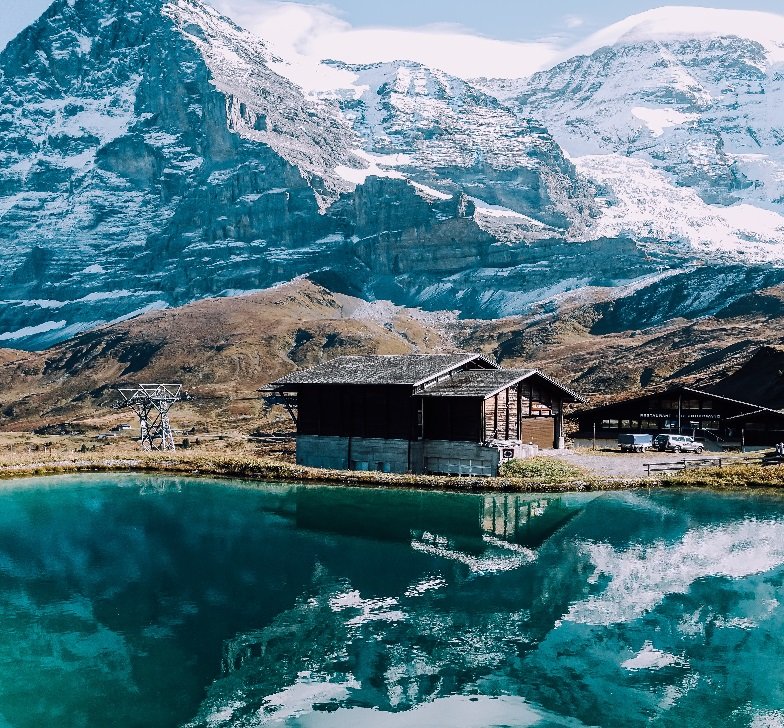
Introduction: Switzerland, known for its stunning landscapes, picturesque towns, and impeccable precision, also holds a rich symbolism when it comes to colors. Each color carries its own meaning and significance, reflecting the Swiss culture, traditions, and values. In this blog post, we will explore the fascinating world of color meanings in Switzerland and understand how these hues play a pivotal role in the country's aesthetic appeal and cultural fabric. 1. Red: Passion, Strength, and Tradition The color red holds great importance in Switzerland. It symbolizes passion, strength, and resilience. The iconic Swiss flag, with its white cross on a vibrant red background, is a powerful representation of the nation's unity, heritage, and determination. Red is also associated with traditional costumes, particularly in regions like Appenzell and Schwyz, where people proudly showcase their cultural heritage through vibrant red garments during festivals and special occasions. 2. White: Purity, Perfection, and Neutrality White is a color often associated with purity, cleanliness, and perfection. In Switzerland, it holds added significance as it represents the country's neutrality and pristine Alpine landscapes. The snow-capped Swiss Alps create a majestic backdrop, symbolizing purity and natural beauty. Swiss architecture, known for its clean lines and minimalist design, often incorporates the color white, reflecting the nation's quest for perfection in craftsmanship and design. 3. Blue: Peace, Serenity, and Loyalty Blue, the color of the sky and tranquil lakes, holds a special place in the Swiss color palette. With over 1,500 lakes and numerous glacial rivers, Switzerland's water bodies inspire a sense of calmness and serenity. Blue is also associated with loyalty, a characteristic closely tied to the Swiss people's commitment to their country, values, and each other. Additionally, blue is commonly found in traditional Swiss textiles, such as the blue and white gingham fabric used in clothing and crafts. 4. Yellow: Joy, Warmth, and Wealth Yellow represents joy, warmth, and prosperity in Switzerland. The sunny yellow fields of blooming daffodils and buttercups during springtime create a cheerful and inviting atmosphere. Yellow is also associated with wealth, depicting the vibrant Swiss economy and entrepreneurship. The iconic sweet treat, Swiss chocolate, is often wrapped in gold packaging, symbolizing luxury, quality, and the country's reputation as a world leader in the confectionery industry. 5. Green: Nature, Sustainability, and Balance Green, the color of lush landscapes and rolling hills, reflects Switzerland's deep appreciation for nature. It symbolizes sustainability, balance, and harmony with the environment. Swiss cities are known for their well-preserved green spaces, parks, and gardens, contributing to a serene and healthy lifestyle. Additionally, green is associated with Swiss excellence in organic farming and sustainable practices, reflecting the nation's commitment to preserving the natural beauty and biodiversity of the country. Conclusion: Colors have a profound impact on our emotions, perceptions, and cultural identities. In Switzerland, the meanings behind colors go beyond aesthetics and serve as a reflection of the country's values, traditions, and natural wonders. Whether it be the passion of red, the purity of white, the serenity of blue, the joy of yellow, or the sustainability of green, Swiss colors tell a captivating story of a nation rich in heritage and appreciation for its surroundings. Next time you visit Switzerland, pay attention to the colors around you and let them deepen your connection with this beautiful country. Expand your knowledge by perusing http://www.colorsshow.com


