Nominating Candidates in Switzerland: A Path to Progressive Politics
Category : |
Sub Category : Posted on 2023-10-30 21:24:53
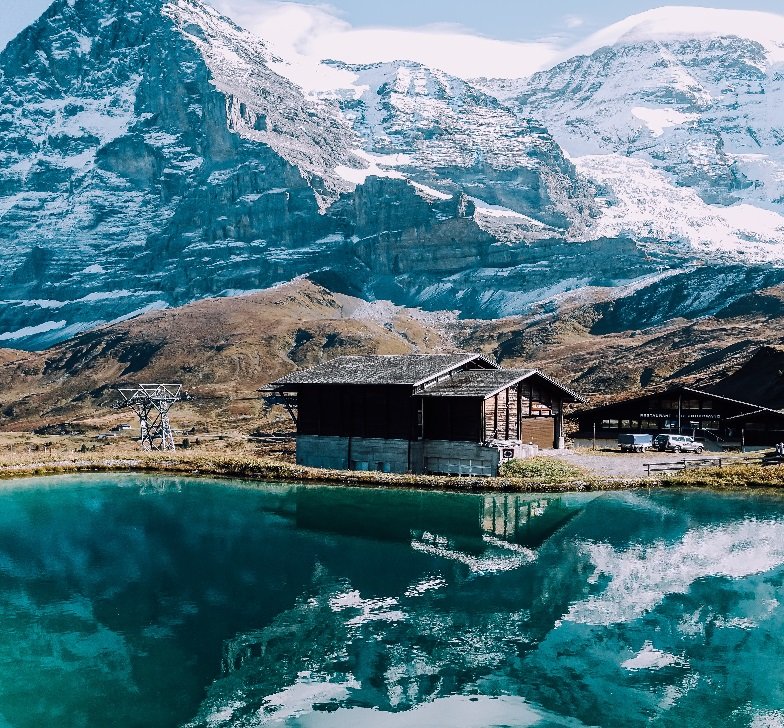
Introduction: Switzerland, known for its stunning Alpine landscapes, efficient public transportation system, and top-tier chocolate, is also renowned for its unique and decentralized political system. In this blog post, we'll be exploring how candidates are nominated in Switzerland, a process that plays a crucial role in maintaining the country's vibrant democracy and progressive politics. Understanding the Swiss Political System: Switzerland boasts a political landscape that fosters citizen participation, providing a perfect platform for political enthusiasts and reformers. The Swiss political system is composed of a federal structure consisting of 26 cantons (states) - and within these cantons, municipalities. This decentralized system fosters direct democracy, allowing citizens to have a direct say in policy-making through referendums and initiatives. Nominating Candidates: In Switzerland, candidates are nominated by political parties, reflecting the country's party-centric political system. Political parties play a pivotal role in shaping the country's policies and ideology. Each party is responsible for selecting its candidates to run for various elected positions, including federal council (executive branch), national council (legislative branch), and council of states (upper house). Some parties have semi-open or open candidate nomination processes, while others have closed processes. Semi-open processes allow party members and sometimes even non-party members to participate in candidate selection. In contrast, open processes enable any interested individual to compete for party nomination. Closed processes, on the other hand, limit the candidate pool solely to registered party members. Nomination Criteria: Political parties typically establish specific criteria to ensure the credibility and competency of their candidates. These criteria vary across parties and positions but commonly include factors such as experience, expertise, party loyalty, and alignment with the party's values and ideology. In addition to party nominations, Switzerland also allows citizens to nominate independent candidates for various positions. These independent candidates rely on grassroots support and often challenge established party politics, making their candidacies all the more intriguing and vibrant. Campaigning and Electing Candidates: Nominees selected by political parties then embark on vigorous campaigning efforts to secure the support of Swiss voters. Campaigns typically involve engaging with constituents, attending public debates, organizing rallies, and utilizing traditional and digital media platforms to convey their messages. Switzerland holds elections throughout the year at different levels of government. The largest and most prominent election is the federal election, which takes place every four years. This system ensures a regular flow of new candidates and ideas into the political arena, promoting diversity and ensuring a rich debate on national issues. Conclusion: Switzerland's candidate nomination process is a vital element in maintaining the country's progressive politics and vibrant democracy. With political parties playing a central role in candidate selection, Switzerland ensures that competent individuals, aligned with party values and ideologies, can compete in elections at various levels of government. Additionally, the inclusion of independent candidates in the nomination process enriches the political landscape and provides alternative perspectives, challenging established party politics. As Switzerland continues to engage its citizens in direct democracy and foster political engagement, the nomination of candidates remains a cornerstone of its progressive political system. This process ensures that leaders with diverse backgrounds and innovative ideas can participate in shaping the country's future, further solidifying Switzerland's reputation as a beacon of democracy and inclusivity. sources: http://www.electiontimeline.com


