State-Paid Swiss Environmental Conservation Projects: A Look into Switzerland's Commitment to Sustainability
Category : |
Sub Category : Posted on 2023-10-30 21:24:53
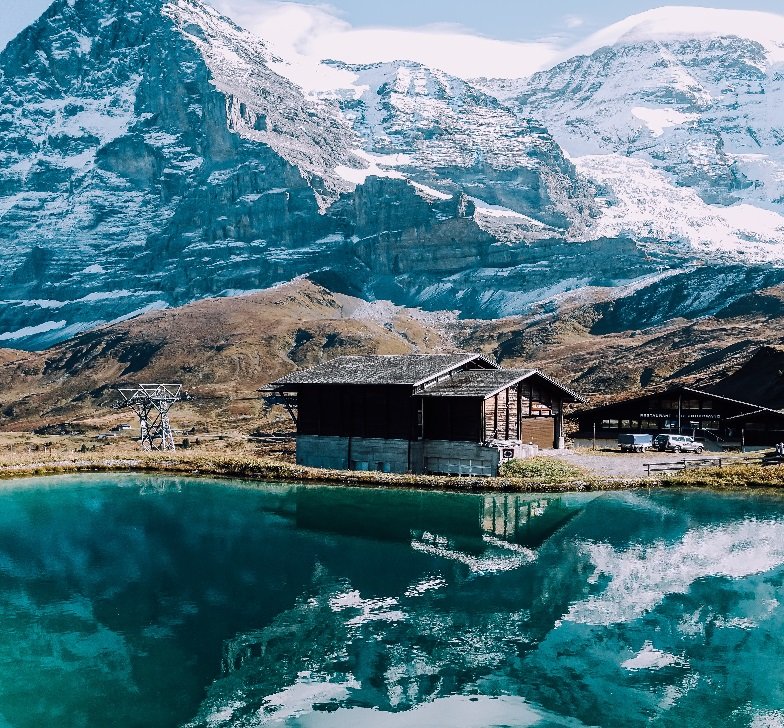
Introduction: Switzerland, widely known for its picture-perfect landscapes and pristine environment, has long been at the forefront of environmental conservation efforts. With its commitment to sustainability, the Swiss government invests significant resources into state-paid environmental conservation projects. In this blog post, we will delve into the initiatives that make Switzerland an example of a country actively protecting its natural treasures. 1. Protecting Biodiversity: One of the core focuses of state-paid Swiss environmental projects is safeguarding biodiversity. Switzerland boasts a rich variety of ecosystems, from the towering Alps to its unrivaled lakes, and preserving this natural heritage is of utmost importance. Efforts are underway to conserve endangered species, restore habitats, and promote sustainable land use practices to maintain ecological balance. 2. Sustainable Agriculture: Switzerland's agricultural sector plays an essential role in preserving the environment, as it occupies a significant portion of the country's land area. The Swiss government supports farmers through state-paid projects that encourage sustainable farming practices. These initiatives promote organic agriculture, reduce pesticide use, and encourage responsible water management, ensuring the long-term viability of farming while minimizing environmental impact. 3. Clean Energy Initiatives: Switzerland has been proactive in transitioning to a cleaner energy future, with a strong emphasis on renewable sources. State-paid projects have led to significant advancements in the adoption of solar, wind, and hydropower solutions. The Swiss government offers incentives and subsidies to individuals and businesses investing in renewable energy technologies, further driving sustainability efforts and reducing the country's carbon footprint. 4. Waste Management and Recycling: Switzerland recognizes the importance of proper waste management and recycling programs in a circular economy. State-paid projects support initiatives to reduce waste generation, encourage recycling, and develop innovative solutions for waste treatment. The Swiss government actively collaborates with local communities, providing them with the necessary tools and resources to implement effective waste management practices at the grassroots level. 5. Promoting Sustainable Mobility: Switzerland's state-paid projects also focus on reducing pollution through sustainable transportation solutions. Investments in public transportation systems, electric vehicle charging infrastructure, and the promotion of biking and walking have helped decrease the reliance on private vehicles, resulting in reduced emissions and improved air quality. Switzerland's commitment to sustainable mobility aligns with its vision of creating environmentally friendly urban and rural areas. Conclusion: Switzerland's state-paid environmental conservation projects serve as a shining example of a nation dedicated to preserving its natural resources and sustainable development. With a focus on biodiversity protection, sustainable agriculture, clean energy initiatives, waste management, and sustainable mobility, Switzerland proves that prioritizing the environment can coexist with economic growth. These efforts reinforce the country's commitment to being an environmental leader and inspire other nations to follow suit in their own conservation endeavors. If you are interested you can check http://www.statepaid.com


