Self-Study Opportunities in Swiss Environmental Conservation Projects
Category : |
Sub Category : Posted on 2023-10-30 21:24:53
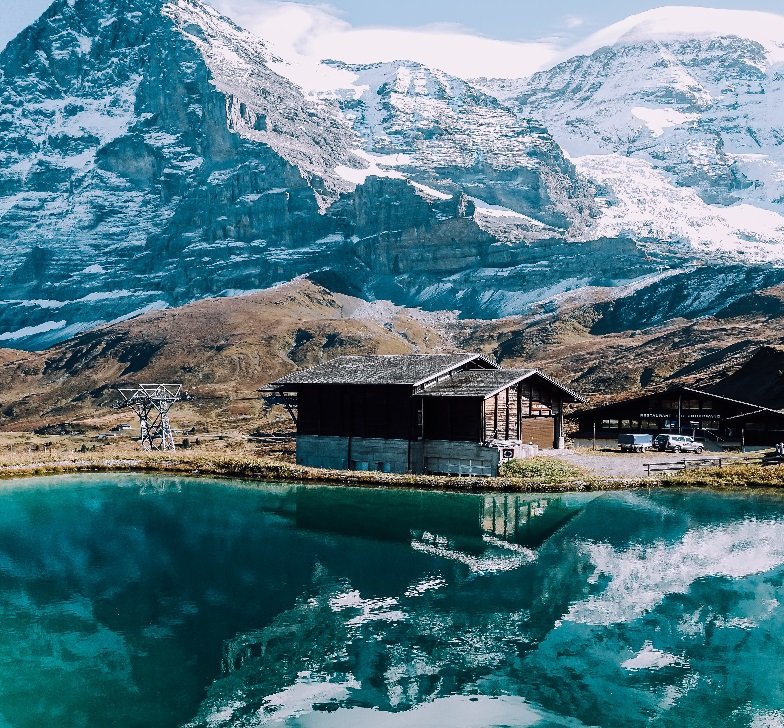
Introduction: Switzerland, known for its breathtaking landscapes and pristine environment, is committed to preserving its natural beauty for generations to come. Environmental conservation efforts in the country have gained international recognition, making it an ideal destination for individuals passionate about sustainability and nature preservation. In this blog post, we will explore the self-study opportunities available in Swiss environmental conservation projects, empowering individuals to take an active role in protecting the Swiss ecosystem. 1. Volunteer Programs: Switzerland offers a diverse range of volunteer programs that allow individuals to actively contribute to environmental conservation efforts. These programs typically focus on various aspects such as biodiversity research, habitat restoration, and sustainable agriculture practices. By participating in these volunteer initiatives, self-study enthusiasts can gain hands-on experience, deepen their understanding of environmental issues, and actively contribute to ongoing projects. 2. Wildlife Monitoring and Research: For those with a keen interest in wildlife, Swiss environmental conservation projects provide excellent opportunities for self-study. Wildlife monitoring and research programs offer individuals the chance to study and observe various species in their natural habitats. From tracking endangered butterflies in the Alps to studying migratory patterns of birds, these initiatives not only provide valuable data for conservation efforts but also allow participants to develop their research skills and gain a deeper appreciation for the Swiss ecosystem. 3. Sustainable Agriculture and Forest Management: The preservation of Switzerland's natural resources relies heavily on sustainable agriculture and responsible forest management practices. Several organizations and farms offer self-study opportunities in sustainable agriculture projects, including organic farming, permaculture, and agroforestry. By engaging in these initiatives, individuals can learn about innovative techniques that promote biodiversity, soil health, and sustainable food production. 4. Citizen Science Projects: Citizen science projects provide individuals with the chance to contribute their observations and data to ongoing research efforts. In Switzerland, several platforms and initiatives allow citizens to participate in collecting information on various environmental aspects such as water quality, air pollution, and climate change effects. By becoming citizen scientists, self-study enthusiasts can deepen their knowledge of environmental issues while actively contributing to scientific research and decision-making processes. 5. Educational Courses and Workshops: Switzerland is home to numerous educational institutions and research centers dedicated to environmental conservation. These institutions often offer short courses, workshops, and seminars on various topics such as ecological restoration, conservation biology, and sustainable development. Participating in these educational programs can provide self-study enthusiasts with access to expert knowledge, networking opportunities, and hands-on learning experiences, further enhancing their understanding of environmental conservation. Conclusion: Embarking on a self-study journey in Swiss environmental conservation projects can be a transformative experience. By actively engaging in volunteer programs, wildlife research, sustainable agriculture, citizen science, and educational courses, individuals can deepen their understanding of environmental issues, contribute to ongoing projects, and develop practical skills. Switzerland's commitment to environmental preservation and its abundant natural beauty make it an ideal destination for those seeking self-study opportunities in the field of environmental conservation. So, why not take the first step towards making a positive impact on the Swiss ecosystem?


