Arab-Swiss Sustainable Living and Eco-Tourism: Bridging Cultures for a Greener Future
Category : |
Sub Category : Posted on 2023-10-30 21:24:53
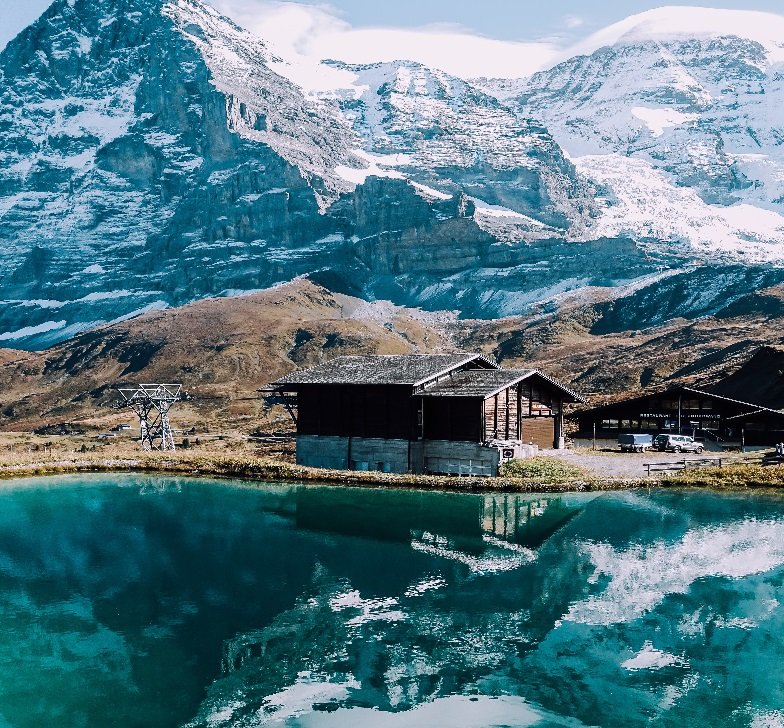
Introduction: In today's world, where environmental consciousness is on the rise, sustainable living and eco-tourism have emerged as key pillars for a greener future. Arab-Swiss collaboration in this domain holds great potential, combining the rich cultural heritage of the Arab world with the expertise of Switzerland in sustainable practices. This blog post aims to explore the concept of sustainable living and eco-tourism, highlighting how Arab-Swiss partnerships can lead the way towards a more sustainable future. 1. Sustainable Living in Arab Culture: Arab culture has always possessed a deep reverence for nature and the environment. Traditionally, Arabs have practiced sustainable lifestyles, epitomized by concepts such as organic farming, water conservation, and resource preservation. These values are deeply rooted in Arab traditions, making the region an ideal partner for advancing sustainable living practices. 2. The Swiss Approach to Sustainability: Switzerland is renowned for its commitment to sustainability and environmental stewardship. The country has pioneered eco-friendly practices, from its efficient public transportation system to its widespread recycling programs. Swiss expertise in sustainable technologies and architecture can greatly contribute to the development of eco-friendly infrastructure in Arab countries, ensuring a harmonious blend of traditional values and modern sustainability. 3. Eco-Tourism: A Unique Blend of Cultures: Eco-tourism offers a unique opportunity to bridge the gap between Arab and Swiss cultures by promoting sustainable tourism practices. Arab countries possess natural wonders such as the Red Sea coral reefs and the vast deserts, while Switzerland boasts breathtaking Alpine landscapes. Collaborative efforts in eco-tourism can create sustainable travel experiences that celebrate the natural beauty of both regions while respecting the local culture and environment. 4. Key Areas of Collaboration: a) Renewable Energy: Switzerland's expertise in renewable energy technologies can support Arab countries in diversifying their energy sources, reducing carbon emissions, and promoting a sustainable energy future. b) Sustainable Agriculture: Combining traditional Arab agricultural practices with Swiss precision and innovation can create sustainable farming methods, improving food security and preserving natural resources. c) Waste Management: Collaborating on waste management strategies can help Arab countries combat the growing waste crisis while incorporating Swiss recycling and waste disposal practices. 5. Education and Awareness: Education plays a crucial role in promoting sustainable living and eco-tourism. Exchange programs and joint initiatives can facilitate knowledge sharing between Arab and Swiss communities, fostering environmental awareness, sustainable practices, and cultural understanding. Conclusion: By combining the rich cultural heritage of the Arab world with Switzerland's expertise in sustainable living and eco-tourism, Arab-Swiss collaborations can pave the way for a greener future. Through sustainable living practices and eco-tourism initiatives, the partnership can not only protect the environment but also create economic opportunities, promote cultural exchange, and strengthen bonds between nations. Let us embrace this opportunity to build a sustainable legacy for generations to come. More about this subject in http://www.onlinebanat.com


